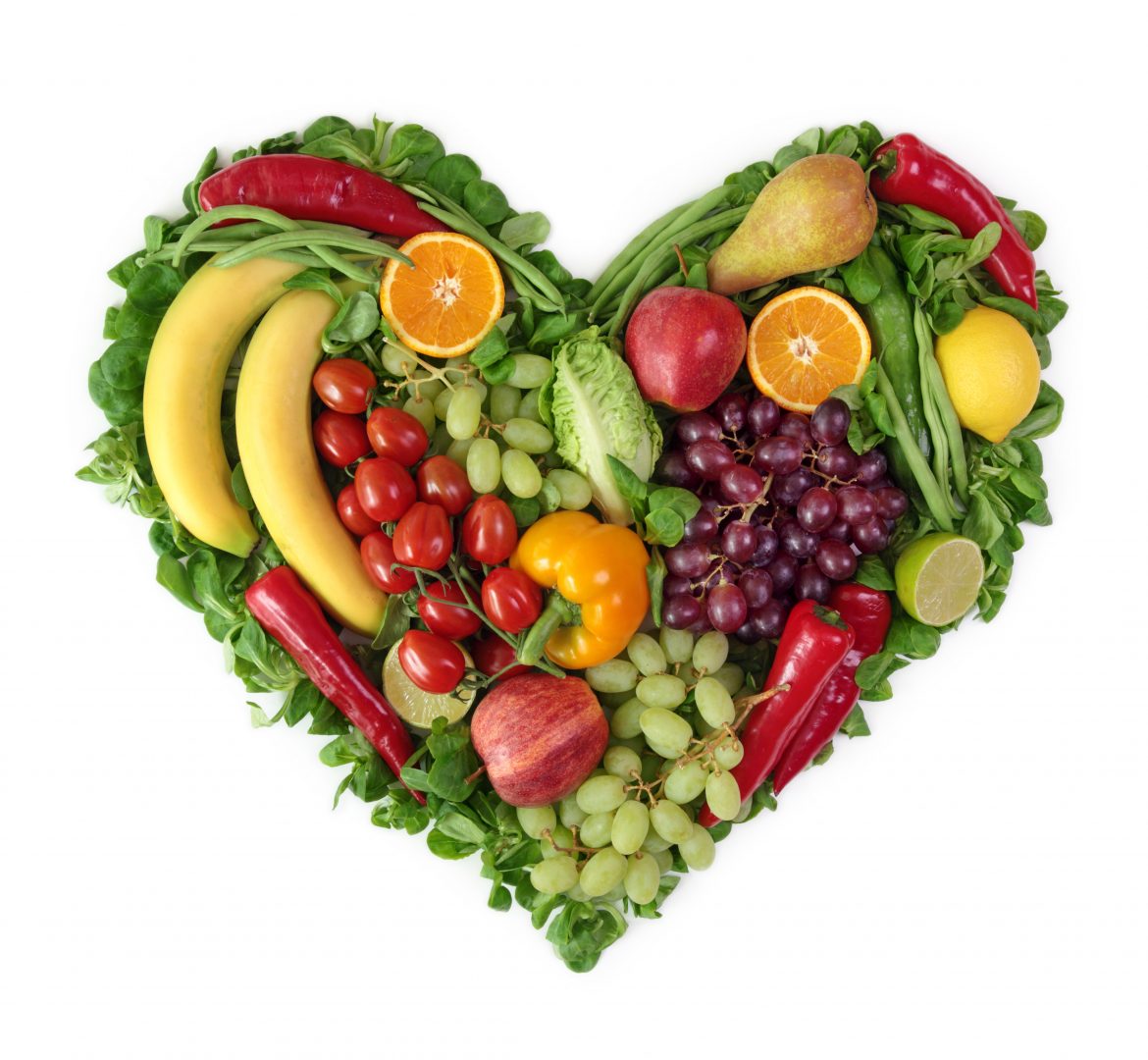
Healthy eating is the consumption of healthy, varied and preferably less-processed foods. In order to perform daily activities and to be healthy, the human body needs 90 essential nutrients that are necessary for normal growth, development and many other processes: 60 minerals, 16 vitamins, 12 amino acids and 3 unsaturated fats.
By consuming different types of food, all necessary nutrients are obtained. But apart from the variety of foods, the method of preparing food, the amount of food and its content is also important. For a person to eat properly it is necessary to know that delicious food is not a healthy food. According to a number of studies, a cure for many diseases, but also a prevention for them, is considered to be a healthy and balanced diet.
Healthy eating implies as much raw food as fresh fruits and vegetables and less cooked, baked or completely omitted fried foods A Guide to Healthy Nutrition 10 RULES FOR RIGHT NUTRITION
1, Diversity Variety is a very important factor in maintaining an ideal body weight and a healthy body – there is no product that can independently meet the overall needs of the body. The body needs daily proteins, fats, proteins, vitamins, minerals, antioxidants and fibers, and it will function optimally when it receives all of the listed components. For these reasons, the diverse diet is the foundation of health. 02, Moderation At each meal, consume a moderate amount of food. The body may not be able to digest and use all the amount of foods that will be consumed during a meal, so excessive kilocalories are stored. To prevent this, you need to consume a variety of meals in a moderate amount, 5 times a day. 03, Consume enough grain, fruits and vegetables Products like grain from whole grains give optimal amount of energy for a long period of time during the day, and hence they are a quality energy source. Wheat, fruits and vegetables also contain more vitamins, minerals and dietary fiber that have a positive common effect on general health. 04, Daily drink about 1.5 l of fluid Approximately 8 glasses of water are recommended each day. 05, Maintain an ideal body weight Ideal body weight is individual and depends on anthropometric measures. In order for the body to burn more energy and be as much as possible, it is recommended daily physical activity, as well as a balanced and moderate diet. 06, start the day with breakfast! It is often said that breakfast is the most important meal of the day. All meals are equally important, but with breakfast you provide your body with a source of energy and nutrients in the morning, at a time when it takes most of the energy for the start of the day! 07, Regularity Skipping meals can lead to uncontrolled hunger, and the consequence is – overeating. With such a rhythm of nutrition it rests on the body to maintain or gain an ideal body weight. It takes 5 meals a day: breakfast, first snack, lunch, second snack and dinner. Enjoy interbreeding that should have a lower energy value than the three main meals. 08, Reduce the intake of saturated fatty acids Saturated fatty acids nowadays have become the cause of most cardiovascular diseases, but they still need the body. In order to avoid the negative effect of saturated fatty acids, it is necessary to enrich the diet with intake of unsaturated fatty acids and physical activity. 09, Less salt Nowadays salt has become a problem because of the increasing frequency of hypertension in the world. Since salt is used daily in the household and in many products on the market, it is increasingly difficult to maintain optimal blood pressure. The recommended daily salt amount is 6 g. 10, Move Today, physical activity is often neglected due to the “office” way of life. To maintain the vitality and health of muscle mass, regular physical activity is necessary. Daily body activity is an essential factor for the health and longevity of the body.
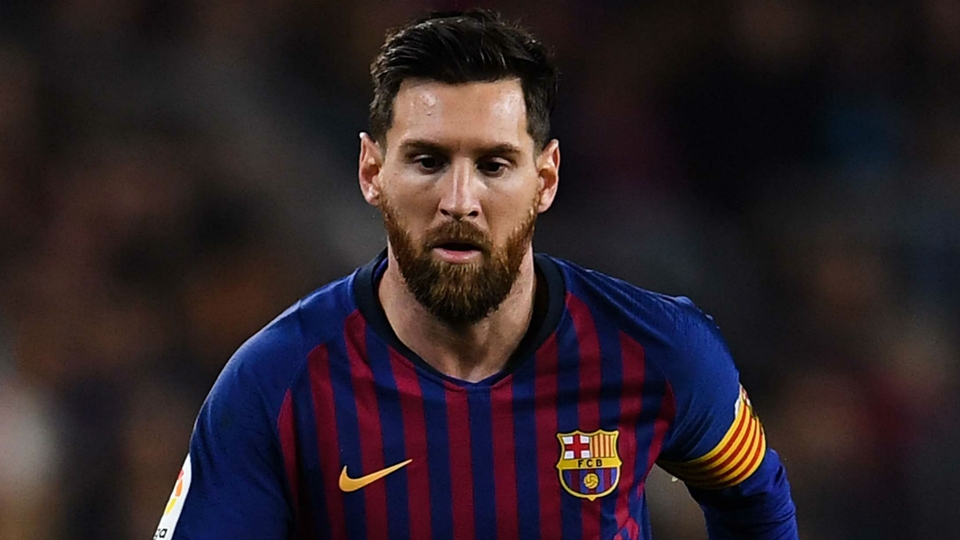
El club de fútbol Barcelona (piso Futbol Club Barcelona), también conocido como Barcelona y coloquial como Barsa (Barça), es un club de fútbol profesional de Barcelona en Cataluña, España. En 1899, el club fundó grupos de futbolistas suizos, ingleses y catalanes dirigidos por Joan Gamper, y se convirtió en el símbolo de la cultura catalana y el catalanismo, de donde se creó el lema “Más del club”. A diferencia de muchos otros clubes de fútbol, los aficionados poseen y operan Barcelona. Es el tercer equipo deportivo más valioso del mundo con un valor de $ 4.07 mil millones y el tercer club más rico del mundo en ingresos, con una facturación anual de $ 648,3 millones. [1] [2] El himno oficial de Barcelona es “La canción de Barcelona”, escrito por Zum Piacas y Zuzeb Maria Espinas. [3] El FC Barcelona juega sus partidos en el estadio Camp Nou, que tiene 99,354 asientos y fue construido desde 1954 hasta 1957. La construcción del estadio se completó el 24 de septiembre de 1957. El club actualmente compite en La Liga, es uno de los tres clubes que nunca se han retirado de la liga desde la fundación de la liga. Clasificado como cuarto en la lista de la FIFA de los mejores clubes del siglo 20. [4] Barcelona ha sido campeón de España en su historia hasta 25 veces, 30 veces ganó la Copa de España, 13 veces el ganador de la Supercopa de España (con otros 4 trofeos que ganó en las competiciones que precedieron a la Supercopa Nacional) y 2 veces el ganador. y la liga de descenso de españa. Gracias al gran éxito en los últimos veinte años, Barcelona se ha convertido en el segundo equipo más exitoso del mundo de todos los tiempos por el número de títulos internacionales (20) justo detrás del poseedor del récord del Real Madrid con 26 trofeos internacionales. De estos 20 trofeos ganados hasta ahora, Barcelona ganó cinco veces la Liga de Campeones, 4 veces la Copa de Ganadores de la Copa, 3 veces la Copa de Ciudades Justas, 5 veces la Supercopa de Europa y 3 veces el Campeonato Mundial de Clubes. Además, el club de la capital de Cataluña ha ganado dos veces un preciado campeonato de la Copa Latina. With Helenio Herrera as manager, youth Luis Suarez, European Footballer of the Year in 1960, and two influential Hungarians recommended by Kubala, Sandor Kocis and Zoltan Zibor, the team won another state double crown in 1959, La Liga and the Cup of Fair Cities in 1960. In 1961 he became the first club to defeat Real Madrid in the European Cup, but lost 3-2 to Benfica in the final.
The sixties were more successful for the club, with the dominance of Real Madrid in La Liga. The break-in of the Camp Nou ended in 1957, which meant that the club had little money for new reinforcements. On the other hand, the decade saw the emergence of Josep Fuste and Carles Rexach and the conquest of the Copa del Generalisimo in 1963 and the 1966 FA Cup. Barca regained pride by defeating Real Madrid 1: 0 in the Copa del Inglésimo final at Bernabeu in 1968 led by Franco, with former Republican pilot Salvador Artigas as manager. The end of Franco’s rule in 1974 saw the change of the official name in the Barcelona Football Club and the return of the emblem in the original design, including the original letters.
The 1973-74 season marked the arrival of Johan Cruyff, who was bought for a record £ 920,000 from Ajax. Already a proven player in the Netherlands, Cruyff quickly won the sympathy of fans of Barcelona with a statement in the media about why he chose Barcelona and not Real Madrid, declaring that he could not play in a club that is associated with Franco. Further he becomes favored by choosing the Catalan name Jordi for his son, who is a local saint. Alongside with quality players such as Juan Manuel Asensi, Carles Rexach and Hugo Sotil, he helped the club win the La Liga title for 1973-74 for the first time since 1960, defeating Real Madrid 5-0 at Bernabé during the season. He was crowned with the title of European Footballer of the Year in 1973 in his first season for Barcelona (his second Golden Ball; he won the first while playing for Ajax in 1971). Cruyff received a prestigious award for the third time in a row (the first player to succeed) in 1974 while still in Barcelona. The nickname culer of the fans of Barcelona was obtained from the Catalan cul (English: butt) because the spectators at their first Camp de la Industria were sitting with their backs across the stands. In Spain, about 25% of the population is considered to be supporters of Barcelona with Barca in second place behind Real Madrid with 32% supporters, Valencia is on the third place with 5%. In Europe, Barcelona is in second place in popularity. The number of club members has increased significantly from 100,000 in the 2003-04 season to 170,000 in September 2009, and the great growth of members is attributed to the influence of Ronaldinho and then President Joan Laporta.
El club de fútbol Barcelona (piso Futbol Club Barcelona), también conocido como Barcelona y coloquial como Barsa (Barça), es un club de fútbol profesional de Barcelona en Cataluña, España. En 1899, el club fundó grupos de futbolistas suizos, ingleses y catalanes dirigidos por Joan Gamper, y se convirtió en el símbolo de la cultura catalana y el catalanismo, de donde se creó el lema “Más del club”. A diferencia de muchos otros clubes de fútbol, los aficionados poseen y operan Barcelona. Es el tercer equipo deportivo más valioso del mundo con un valor de $ 4.07 mil millones y el tercer club más rico del mundo en ingresos, con una facturación anual de $ 648,3 millones. [1] [2] El himno oficial de Barcelona es “La canción de Barcelona”, escrito por Zum Piacas y Zuzeb Maria Espinas. [3] El FC Barcelona juega sus partidos en el estadio Camp Nou, que tiene 99,354 asientos y fue construido desde 1954 hasta 1957. La construcción del estadio se completó el 24 de septiembre de 1957. El club actualmente compite en La Liga, es uno de los tres clubes que nunca se han retirado de la liga desde la fundación de la liga. Clasificado como cuarto en la lista de la FIFA de los mejores clubes del siglo 20. [4] Barcelona ha sido campeón de España en su historia hasta 25 veces, 30 veces ganó la Copa de España, 13 veces el ganador de la Supercopa de España (con otros 4 trofeos que ganó en las competiciones que precedieron a la Supercopa Nacional) y 2 veces el ganador. y la liga de descenso de españa. Gracias al gran éxito en los últimos veinte años, Barcelona se ha convertido en el segundo equipo más exitoso del mundo de todos los tiempos por el número de títulos internacionales (20) justo detrás del poseedor del récord del Real Madrid con 26 trofeos internacionales. De estos 20 trofeos ganados hasta ahora, Barcelona ganó cinco veces la Liga de Campeones, 4 veces la Copa de Ganadores de la Copa, 3 veces la Copa de Ciudades Justas, 5 veces la Supercopa de Europa y 3 veces el Campeonato Mundial de Clubes. Además, el club de la capital de Cataluña ha ganado dos veces un preciado campeonato de la Copa Latina. With Helenio Herrera as manager, youth Luis Suarez, European Footballer of the Year in 1960, and two influential Hungarians recommended by Kubala, Sandor Kocis and Zoltan Zibor, the team won another state double crown in 1959, La Liga and the Cup of Fair Cities in 1960. In 1961 he became the first club to defeat Real Madrid in the European Cup, but lost 3-2 to Benfica in the final.
The sixties were more successful for the club, with the dominance of Real Madrid in La Liga. The break-in of the Camp Nou ended in 1957, which meant that the club had little money for new reinforcements. On the other hand, the decade saw the emergence of Josep Fuste and Carles Rexach and the conquest of the Copa del Generalisimo in 1963 and the 1966 FA Cup. Barca regained pride by defeating Real Madrid 1: 0 in the Copa del Inglésimo final at Bernabeu in 1968 led by Franco, with former Republican pilot Salvador Artigas as manager. The end of Franco’s rule in 1974 saw the change of the official name in the Barcelona Football Club and the return of the emblem in the original design, including the original letters.
The 1973-74 season marked the arrival of Johan Cruyff, who was bought for a record £ 920,000 from Ajax. Already a proven player in the Netherlands, Cruyff quickly won the sympathy of fans of Barcelona with a statement in the media about why he chose Barcelona and not Real Madrid, declaring that he could not play in a club that is associated with Franco. Further he becomes favored by choosing the Catalan name Jordi for his son, who is a local saint. Alongside with quality players such as Juan Manuel Asensi, Carles Rexach and Hugo Sotil, he helped the club win the La Liga title for 1973-74 for the first time since 1960, defeating Real Madrid 5-0 at Bernabé during the season. He was crowned with the title of European Footballer of the Year in 1973 in his first season for Barcelona (his second Golden Ball; he won the first while playing for Ajax in 1971). Cruyff received a prestigious award for the third time in a row (the first player to succeed) in 1974 while still in Barcelona. The nickname culer of the fans of Barcelona was obtained from the Catalan cul (English: butt) because the spectators at their first Camp de la Industria were sitting with their backs across the stands. In Spain, about 25% of the population is considered to be supporters of Barcelona with Barca in second place behind Real Madrid with 32% supporters, Valencia is on the third place with 5%. In Europe, Barcelona is in second place in popularity. The number of club members has increased significantly from 100,000 in the 2003-04 season to 170,000 in September 2009, and the great growth of members is attributed to the influence of Ronaldinho and then President Joan Laporta.
El club de fútbol Barcelona (piso Futbol Club Barcelona), también conocido como Barcelona y coloquial como Barsa (Barça), es un club de fútbol profesional de Barcelona en Cataluña, España. En 1899, el club fundó grupos de futbolistas suizos, ingleses y catalanes dirigidos por Joan Gamper, y se convirtió en el símbolo de la cultura catalana y el catalanismo, de donde se creó el lema “Más del club”. A diferencia de muchos otros clubes de fútbol, los aficionados poseen y operan Barcelona. Es el tercer equipo deportivo más valioso del mundo con un valor de $ 4.07 mil millones y el tercer club más rico del mundo en ingresos, con una facturación anual de $ 648,3 millones. [1] [2] El himno oficial de Barcelona es “La canción de Barcelona”, escrito por Zum Piacas y Zuzeb Maria Espinas. [3] El FC Barcelona juega sus partidos en el estadio Camp Nou, que tiene 99,354 asientos y fue construido desde 1954 hasta 1957. La construcción del estadio se completó el 24 de septiembre de 1957. El club actualmente compite en La Liga, es uno de los tres clubes que nunca se han retirado de la liga desde la fundación de la liga. Clasificado como cuarto en la lista de la FIFA de los mejores clubes del siglo 20. [4] Barcelona ha sido campeón de España en su historia hasta 25 veces, 30 veces ganó la Copa de España, 13 veces el ganador de la Supercopa de España (con otros 4 trofeos que ganó en las competiciones que precedieron a la Supercopa Nacional) y 2 veces el ganador. y la liga de descenso de españa. Gracias al gran éxito en los últimos veinte años, Barcelona se ha convertido en el segundo equipo más exitoso del mundo de todos los tiempos por el número de títulos internacionales (20) justo detrás del poseedor del récord del Real Madrid con 26 trofeos internacionales. De estos 20 trofeos ganados hasta ahora, Barcelona ganó cinco veces la Liga de Campeones, 4 veces la Copa de Ganadores de la Copa, 3 veces la Copa de Ciudades Justas, 5 veces la Supercopa de Europa y 3 veces el Campeonato Mundial de Clubes. Además, el club de la capital de Cataluña ha ganado dos veces un preciado campeonato de la Copa Latina. With Helenio Herrera as manager, youth Luis Suarez, European Footballer of the Year in 1960, and two influential Hungarians recommended by Kubala, Sandor Kocis and Zoltan Zibor, the team won another state double crown in 1959, La Liga and the Cup of Fair Cities in 1960. In 1961 he became the first club to defeat Real Madrid in the European Cup, but lost 3-2 to Benfica in the final.
The sixties were more successful for the club, with the dominance of Real Madrid in La Liga. The break-in of the Camp Nou ended in 1957, which meant that the club had little money for new reinforcements. On the other hand, the decade saw the emergence of Josep Fuste and Carles Rexach and the conquest of the Copa del Generalisimo in 1963 and the 1966 FA Cup. Barca regained pride by defeating Real Madrid 1: 0 in the Copa del Inglésimo final at Bernabeu in 1968 led by Franco, with former Republican pilot Salvador Artigas as manager. The end of Franco’s rule in 1974 saw the change of the official name in the Barcelona Football Club and the return of the emblem in the original design, including the original letters.
The 1973-74 season marked the arrival of Johan Cruyff, who was bought for a record £ 920,000 from Ajax. Already a proven player in the Netherlands, Cruyff quickly won the sympathy of fans of Barcelona with a statement in the media about why he chose Barcelona and not Real Madrid, declaring that he could not play in a club that is associated with Franco. Further he becomes favored by choosing the Catalan name Jordi for his son, who is a local saint. Alongside with quality players such as Juan Manuel Asensi, Carles Rexach and Hugo Sotil, he helped the club win the La Liga title for 1973-74 for the first time since 1960, defeating Real Madrid 5-0 at Bernabé during the season. He was crowned with the title of European Footballer of the Year in 1973 in his first season for Barcelona (his second Golden Ball; he won the first while playing for Ajax in 1971). Cruyff received a prestigious award for the third time in a row (the first player to succeed) in 1974 while still in Barcelona. The nickname culer of the fans of Barcelona was obtained from the Catalan cul (English: butt) because the spectators at their first Camp de la Industria were sitting with their backs across the stands. In Spain, about 25% of the population is considered to be supporters of Barcelona with Barca in second place behind Real Madrid with 32% supporters, Valencia is on the third place with 5%. In Europe, Barcelona is in second place in popularity. The number of club members has increased significantly from 100,000 in the 2003-04 season to 170,000 in September 2009, and the great growth of members is attributed to the influence of Ronaldinho and then President Joan Laporta.
El club de fútbol Barcelona (piso Futbol Club Barcelona), también conocido como Barcelona y coloquial como Barsa (Barça), es un club de fútbol profesional de Barcelona en Cataluña, España. En 1899, el club fundó grupos de futbolistas suizos, ingleses y catalanes dirigidos por Joan Gamper, y se convirtió en el símbolo de la cultura catalana y el catalanismo, de donde se creó el lema "Más del club". A diferencia de muchos otros clubes de fútbol, los aficionados poseen y operan Barcelona. Es el tercer equipo deportivo más valioso del mundo con un valor de $ 4.07 mil millones y el tercer club más rico del mundo en ingresos, con una facturación anual de $ 648,3 millones. [1] [2] El himno oficial de Barcelona es "La canción de Barcelona", escrito por Zum Piacas y Zuzeb Maria Espinas. [3] El FC Barcelona juega sus partidos en el estadio Camp Nou, que tiene 99,354 asientos y fue construido desde 1954 hasta 1957. La construcción del estadio se completó el 24 de septiembre de 1957. El club actualmente compite en La Liga, es uno de los tres clubes que nunca se han retirado de la liga desde la fundación de la liga. Clasificado como cuarto en la lista de la FIFA de los mejores clubes del siglo 20. [4] Barcelona ha sido campeón de España en su historia hasta 25 veces, 30 veces ganó la Copa de España, 13 veces el ganador de la Supercopa de España (con otros 4 trofeos que ganó en las competiciones que precedieron a la Supercopa Nacional) y 2 veces el ganador. y la liga de descenso de españa. Gracias al gran éxito en los últimos veinte años, Barcelona se ha convertido en el segundo equipo más exitoso del mundo de todos los tiempos por el número de títulos internacionales (20) justo detrás del poseedor del récord del Real Madrid con 26 trofeos internacionales. De estos 20 trofeos ganados hasta ahora, Barcelona ganó cinco veces la Liga de Campeones, 4 veces la Copa de Ganadores de la Copa, 3 veces la Copa de Ciudades Justas, 5 veces la Supercopa de Europa y 3 veces el Campeonato Mundial de Clubes. Además, el club de la capital de Cataluña ha ganado dos veces un preciado campeonato de la Copa Latina. With Helenio Herrera as manager, youth Luis Suarez, European Footballer of the Year in 1960, and two influential Hungarians recommended by Kubala, Sandor Kocis and Zoltan Zibor, the team won another state double crown in 1959, La Liga and the Cup of Fair Cities in 1960. In 1961 he became the first club to defeat Real Madrid in the European Cup, but lost 3-2 to Benfica in the final.
The sixties were more successful for the club, with the dominance of Real Madrid in La Liga. The break-in of the Camp Nou ended in 1957, which meant that the club had little money for new reinforcements. On the other hand, the decade saw the emergence of Josep Fuste and Carles Rexach and the conquest of the Copa del Generalisimo in 1963 and the 1966 FA Cup. Barca regained pride by defeating Real Madrid 1: 0 in the Copa del Inglésimo final at Bernabeu in 1968 led by Franco, with former Republican pilot Salvador Artigas as manager. The end of Franco's rule in 1974 saw the change of the official name in the Barcelona Football Club and the return of the emblem in the original design, including the original letters.
The 1973-74 season marked the arrival of Johan Cruyff, who was bought for a record £ 920,000 from Ajax. Already a proven player in the Netherlands, Cruyff quickly won the sympathy of fans of Barcelona with a statement in the media about why he chose Barcelona and not Real Madrid, declaring that he could not play in a club that is associated with Franco. Further he becomes favored by choosing the Catalan name Jordi for his son, who is a local saint. Alongside with quality players such as Juan Manuel Asensi, Carles Rexach and Hugo Sotil, he helped the club win the La Liga title for 1973-74 for the first time since 1960, defeating Real Madrid 5-0 at Bernabé during the season. He was crowned with the title of European Footballer of the Year in 1973 in his first season for Barcelona (his second Golden Ball; he won the first while playing for Ajax in 1971). Cruyff received a prestigious award for the third time in a row (the first player to succeed) in 1974 while still in Barcelona. The nickname culer of the fans of Barcelona was obtained from the Catalan cul (English: butt) because the spectators at their first Camp de la Industria were sitting with their backs across the stands. In Spain, about 25% of the population is considered to be supporters of Barcelona with Barca in second place behind Real Madrid with 32% supporters, Valencia is on the third place with 5%. In Europe, Barcelona is in second place in popularity. The number of club members has increased significantly from 100,000 in the 2003-04 season to 170,000 in September 2009, and the great growth of members is attributed to the influence of Ronaldinho and then President Joan Laporta.

 Healthy Eating